Introduction
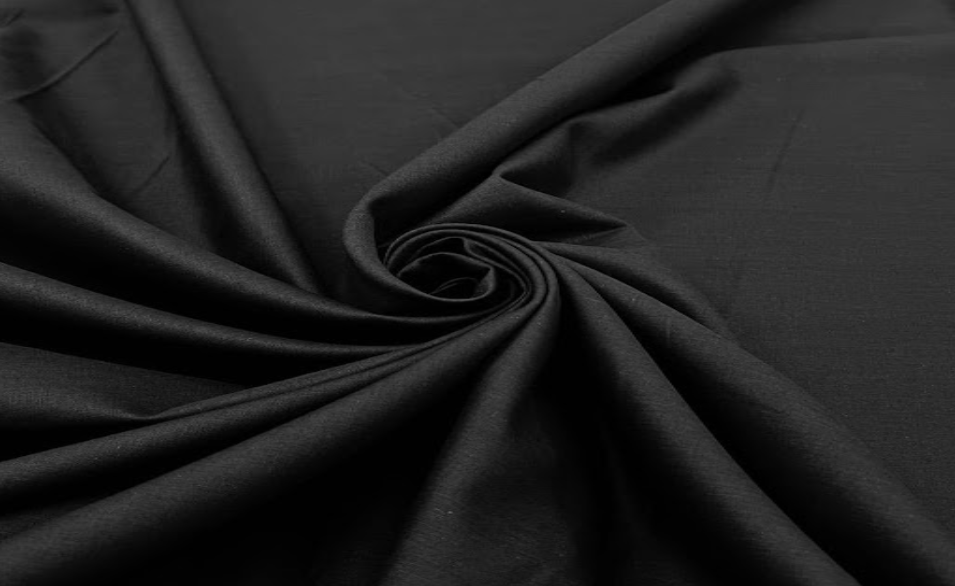
Achieving a deep, uniform black shade is an important requirement in textile dyeing, particularly when manufacturers need consistent colour depth, good appearance, and reliable processing performance. Dycromine Direct Black 22 is a direct dye designed for applications where a strong and consistent black shade is required.
Understanding its properties, suitable applications, and processing considerations can help textile manufacturers select the right dye for their production requirements and achieve more consistent results.
What Is Direct Black 22?
Direct Black 22 is a type of direct dye primarily used for colouring cellulosic fibres. Direct dyes have an affinity for fibres such as cotton and can generally be applied using relatively straightforward aqueous dyeing processes.
Dycromine Direct Black 22 is suitable for textile applications where a deep black appearance and practical dyeing performance are important.
Key Properties of Dycromine Direct Black 22
Several properties make Direct Black 22 useful for textile dyeing applications.
1. Deep Black Shade
depth. Direct Black 22 can produce a strong black appearance when the dyeing process is properly controlled.
2. Suitable for Cellulosic Fibres
Direct Black 22 is mainly associated with cellulosic textile materials, particularly cotton. It can be considered for fabrics and materials where direct-dye application is appropriate.
3. Straightforward Dyeing Process
Direct dyes can offer a comparatively simple application route because they have an affinity for cellulose fibres. Correct control of temperature, dye concentration, electrolyte addition, and dyeing time remains important for obtaining consistent results.
4. Good Shade Uniformity
Uniform colour distribution is essential for commercial textile production. Proper preparation of the fabric and controlled dyeing parameters can help achieve an even black shade across the material.
5. Versatile Textile Applications
Direct Black 22 can be used in various textile applications where black colouration is required, making it relevant for different types of cotton and cellulosic materials.
Applications of Direct Black 22 in Textile Dyeing
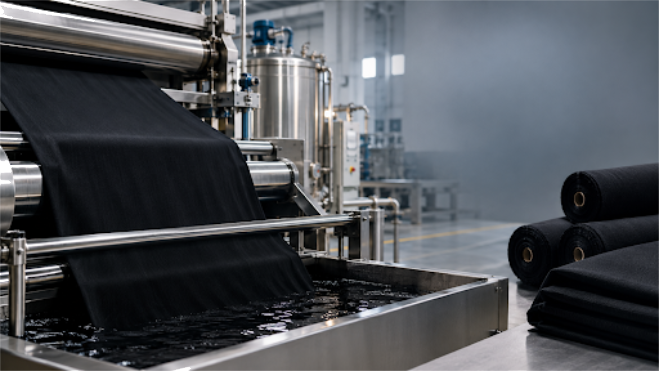
Direct Black 22 can be considered for several textile applications.
Cotton Fabric Dyeing
Cotton is one of the most important textile materials for direct dyes. Direct Black 22 can be used where a deep black shade is required on cotton fabrics.
Cellulosic Textiles
The dye can also be relevant for other suitable cellulosic textile materials, depending on the fibre composition and required colour performance.
Garments and Apparel
Black remains an important colour in apparel manufacturing. Direct Black 22 can be used in applications where manufacturers require black shades for garments made from suitable cellulosic textile materials.
Home Textiles
Black shades are also used in products such as selected furnishing and household textile materials. Direct Black 22 may be considered where the textile material and required performance characteristics match the requirements of direct-dye application.
Benefits of Using Direct Black 22
Choosing an appropriate black dye can influence both the visual appearance and efficiency of textile production.
- Deep Colour Development: Helps achieve rich black shades when applied under suitable dyeing conditions.
- Suitable Cellulose Affinity: Its direct-dye characteristics make it relevant for cotton and other suitable cellulosic substrates.
- Practical Processing: Direct dyeing can provide a relatively straightforward process when appropriate parameters are followed.
- Consistent Appearance: Controlled dye concentration, temperature, liquor ratio, and dyeing time can contribute to more uniform results.
- Wide Application Potential: Its use in suitable fabrics, garments, and other textile materials makes Direct Black 22 a practical option for black colouration.
- Potential Use in Laundry and Fabric Recolouring: Direct Black 22 may be suitable for specific textile washing or fabric recolouring processes involving compatible fabrics. Its application can help restore or develop black shades when the dyeing procedure is properly controlled. However, it should not be considered a routine laundry detergent ingredient, and its suitability for commercial laundry use must be verified through technical specifications and application testing.
How to Achieve Consistent Black Shades
The performance of any dye depends not only on the product but also on the overall dyeing process. Textile manufacturers should pay attention to several factors:
- Proper preparation and cleaning of the fabric
- Accurate dye dosage
- Controlled dye bath temperature
- Appropriate electrolyte and auxiliary levels
- Suitable liquor ratio
- Adequate dyeing time
- Proper rinsing and after-treatment
- Consistent quality of water and raw materials
Laboratory trials before bulk production can help identify suitable process parameters and reduce shade variations during manufacturing.
Why Shade Consistency Matters
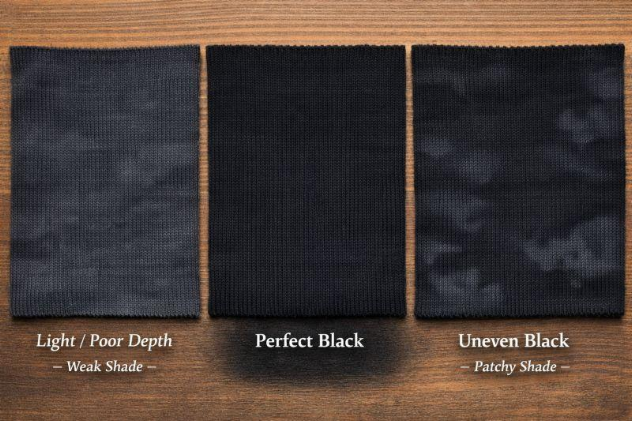
In commercial textile production, even small variations in black shade can affect the appearance of finished fabrics and garments. Consistency becomes particularly important when the same colour is produced across multiple production lots.
A controlled approach to dye selection, laboratory testing, recipe preparation, and production monitoring can help manufacturers maintain better shade reproducibility.
Choosing the Right Direct Black 22 Supplier
When sourcing Direct Black 22, buyers should consider more than simply the colour index or product name. Important factors can include:
- Product consistency between batches
- Shade strength and reproducibility
- Application suitability
- Technical support
- Quality control procedures
- Documentation and compliance requirements
- Sample availability for laboratory evaluation
- Supply reliability
Working with an experienced dye manufacturer can help textile producers evaluate the product according to their specific application and production requirements.
Conclusion
Dycromine Direct Black 22 is a useful direct dye option for textile applications requiring black colouration on suitable cellulosic materials. Its deep shade potential, practical application characteristics, and versatility make it relevant to cotton and other appropriate textile substrates.
However, achieving consistent results requires more than selecting the right dye. Proper fabric preparation, accurate dosing, controlled dyeing conditions, and effective quality control all contribute to the final shade and performance.
For textile manufacturers looking for a suitable Direct Black 22 dye, laboratory testing and application trials are recommended before moving to bulk production.
